Download our App


Directions to Ithra
Open until 11:30 pm
The program vision:
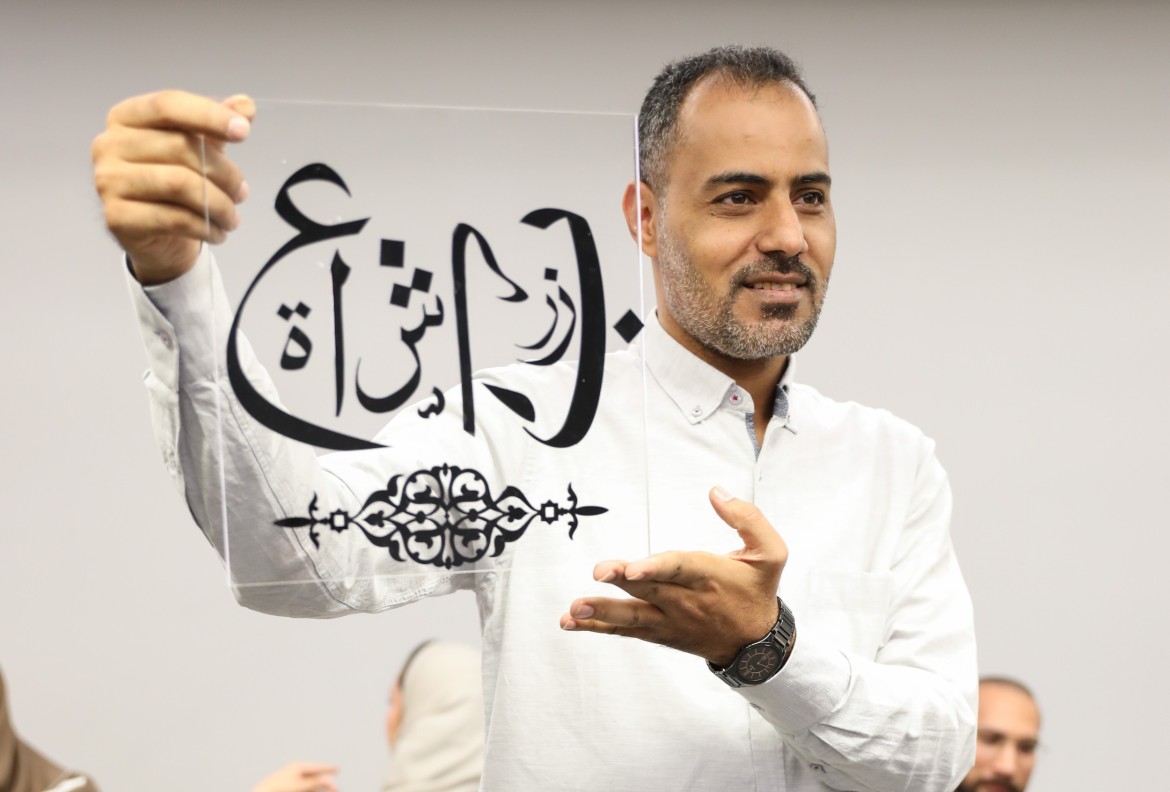
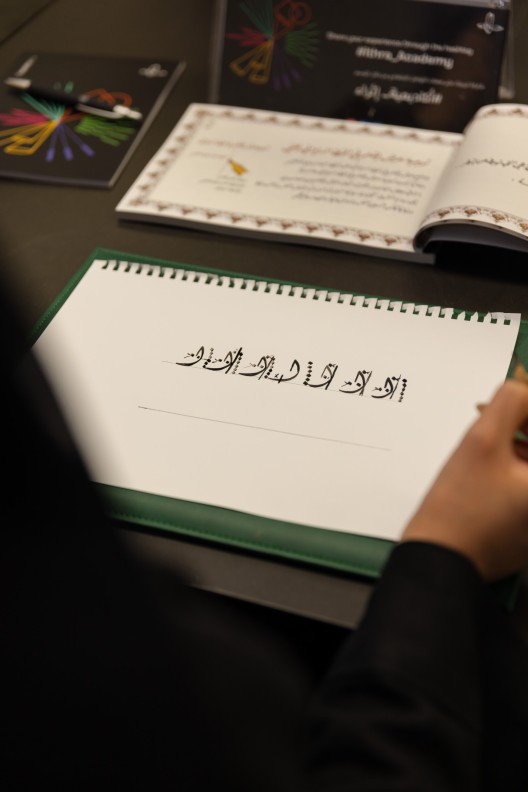
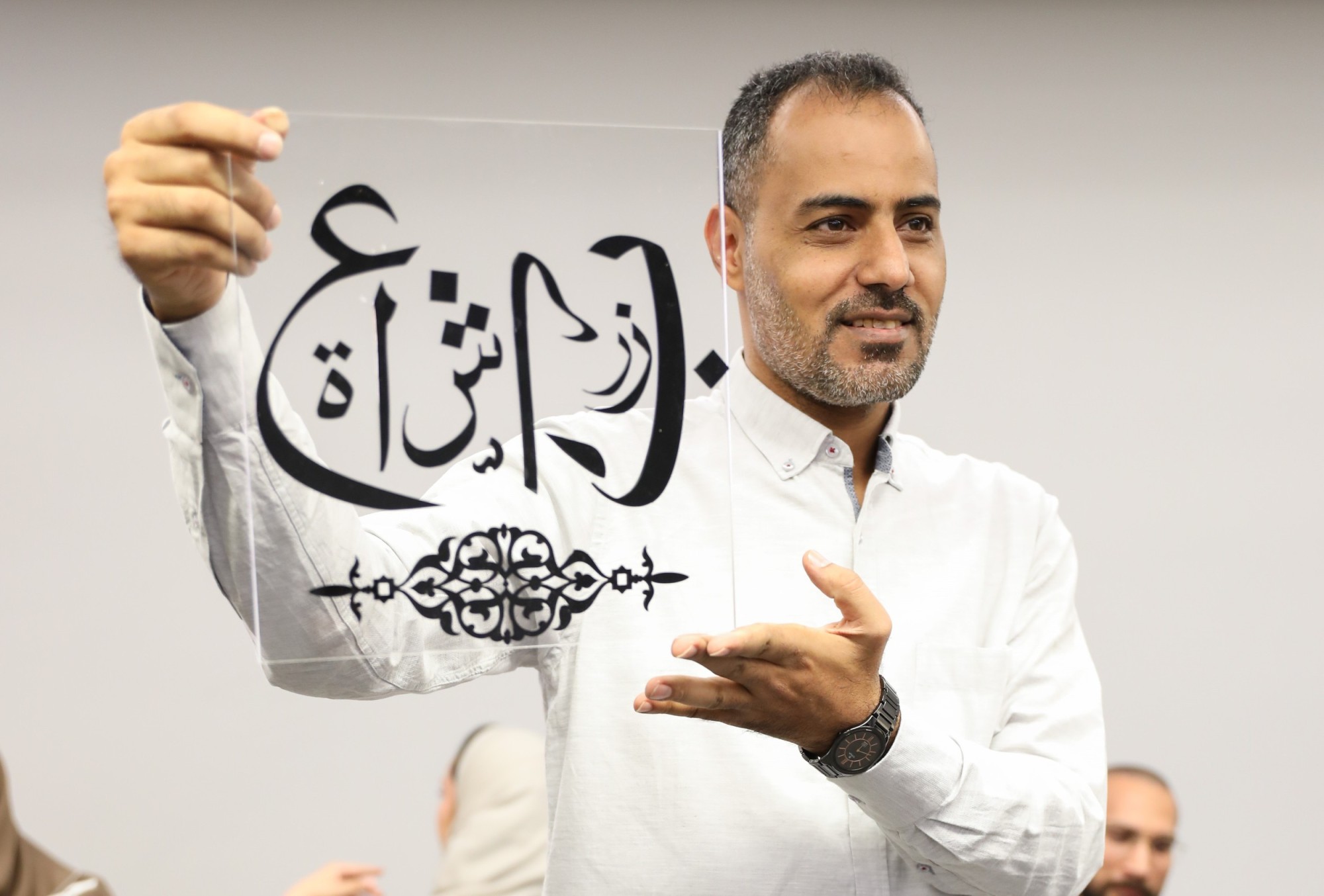
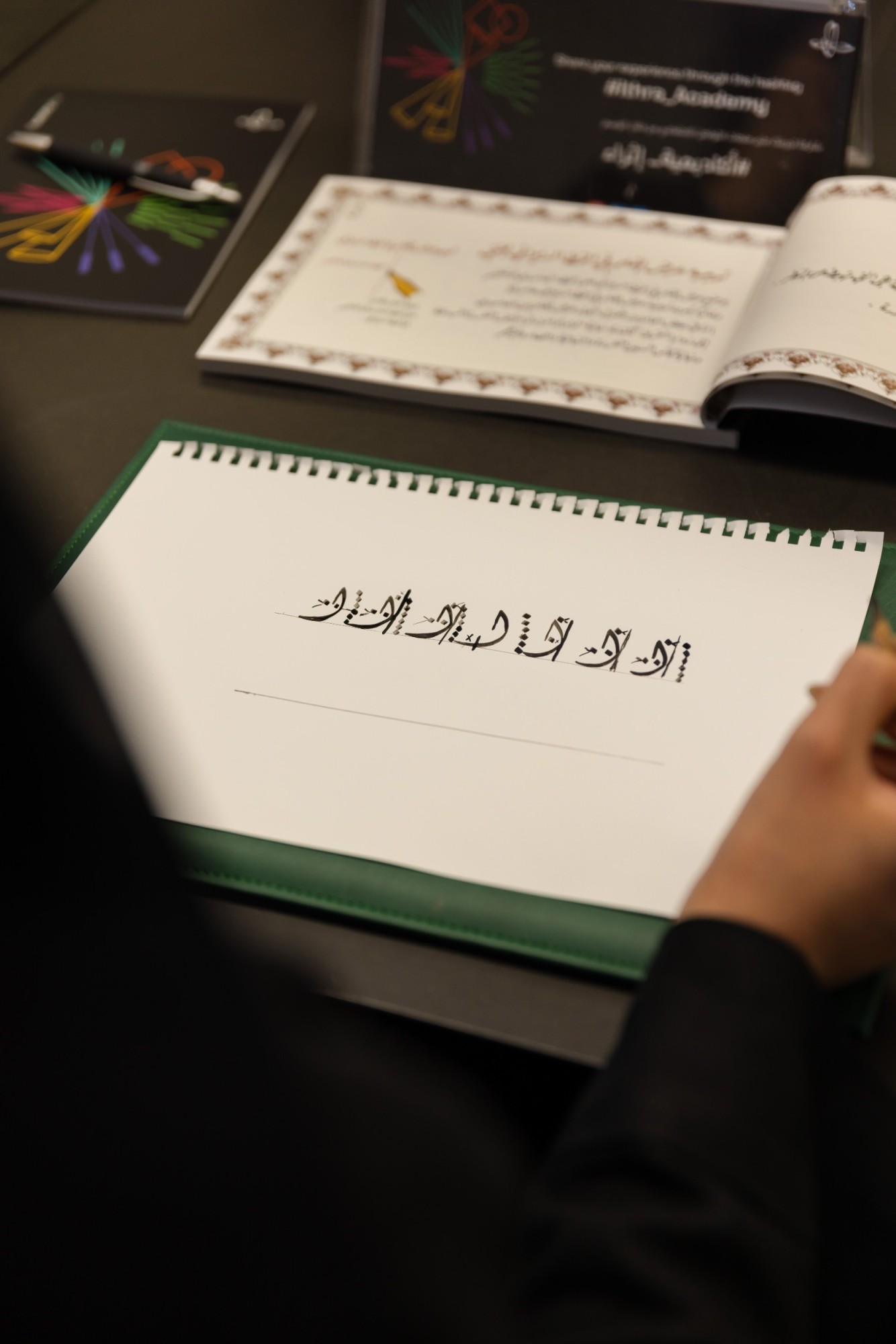
This program begins with a deep understanding that Arabic calligraphy is not isolated, but it is integrated and interacts with various domains. Arabic calligraphy is an aesthetic and intellectual system, combining rhythm, construction and symbols. Moreover, it has a unique ability to transform into a variety of art mediums. This sophisticated program views Arabic calligraphy as more than just typography, it sees the powerful elements utilized to modify it into a key component of contemporary art and cultural projects.
Limiting Arabic calligraphy in a painting or any traditional practices restricts its expressive power. Thus, this program seeks to build a creative generation from artists and calligraphers who can see Arabic calligraphy as a design tool, blueprint and an essential element in creative projects, while maintaining its beautiful original identity.
This program presents complete creative practice. It deals with Arabic letters to cross methods and ideas from one field to another and from one specialty to another. Finally, Arabic calligraphy transforms letters from just an alphabet into a project, linking the beauty in thought, art with function and individual work with a broader cultural contribution in the creative scene.
Program description:
This professional program targets calligraphers, as well as those who apply Arabic calligraphy. Moreover, they have the talent and are gifted with the creativity to build a vision with Arabic letters as a design tool, idea generator and structural component in artistic and contemporary cultural projects. Furthermore, this program looks forward to exceeding the traditional process which limits font, and instead, moves it from a painting frame to multiple mediums, including art, design, digital media and modern technology, within a contemporary approach that respects the roots and sets its potential.
Program topics:
This program focuses on four essential topics:
- History study: includes deep reading in Arabic calligraphy developments and its aesthetic and intellectual contexts all eras.
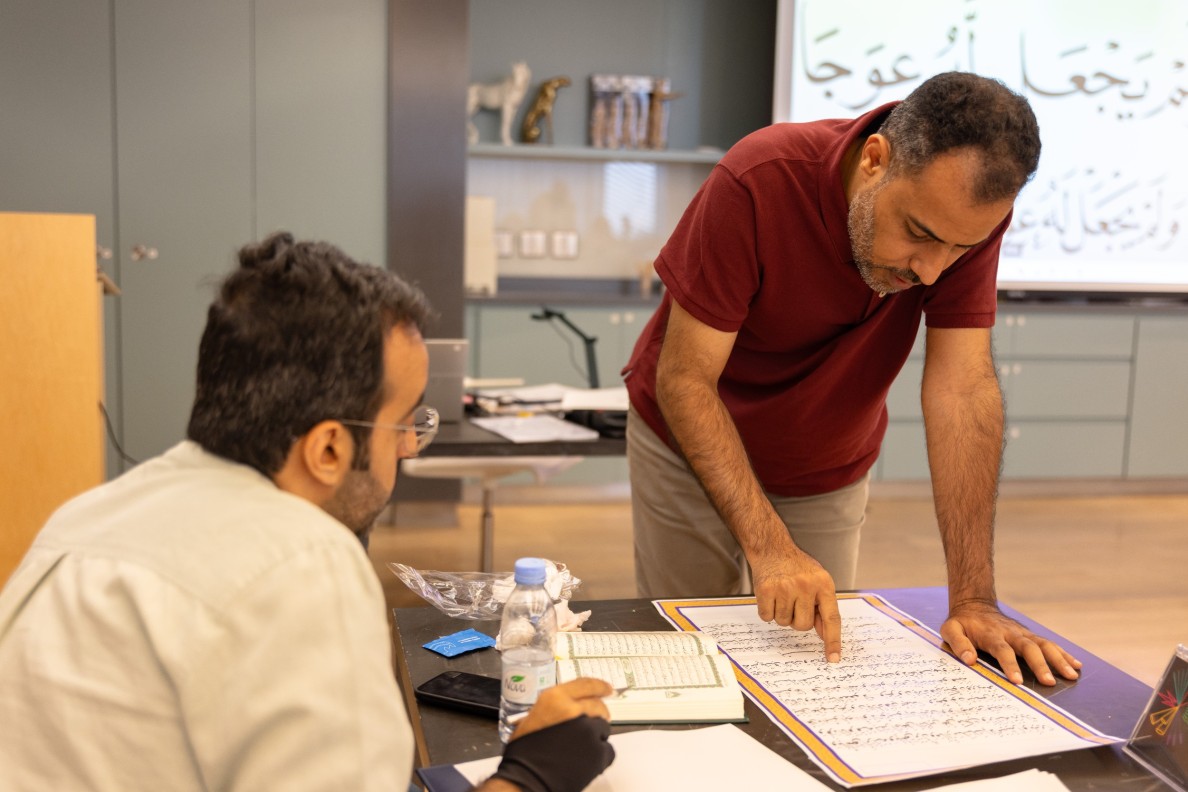
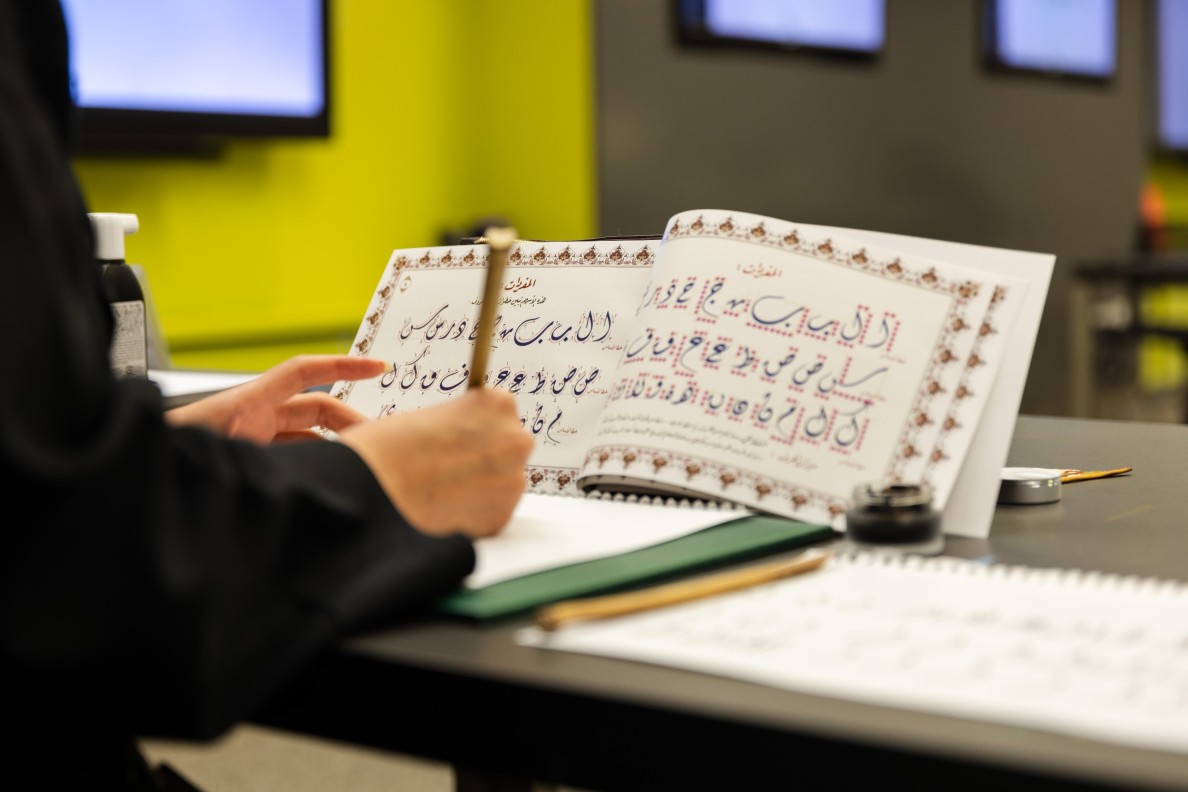
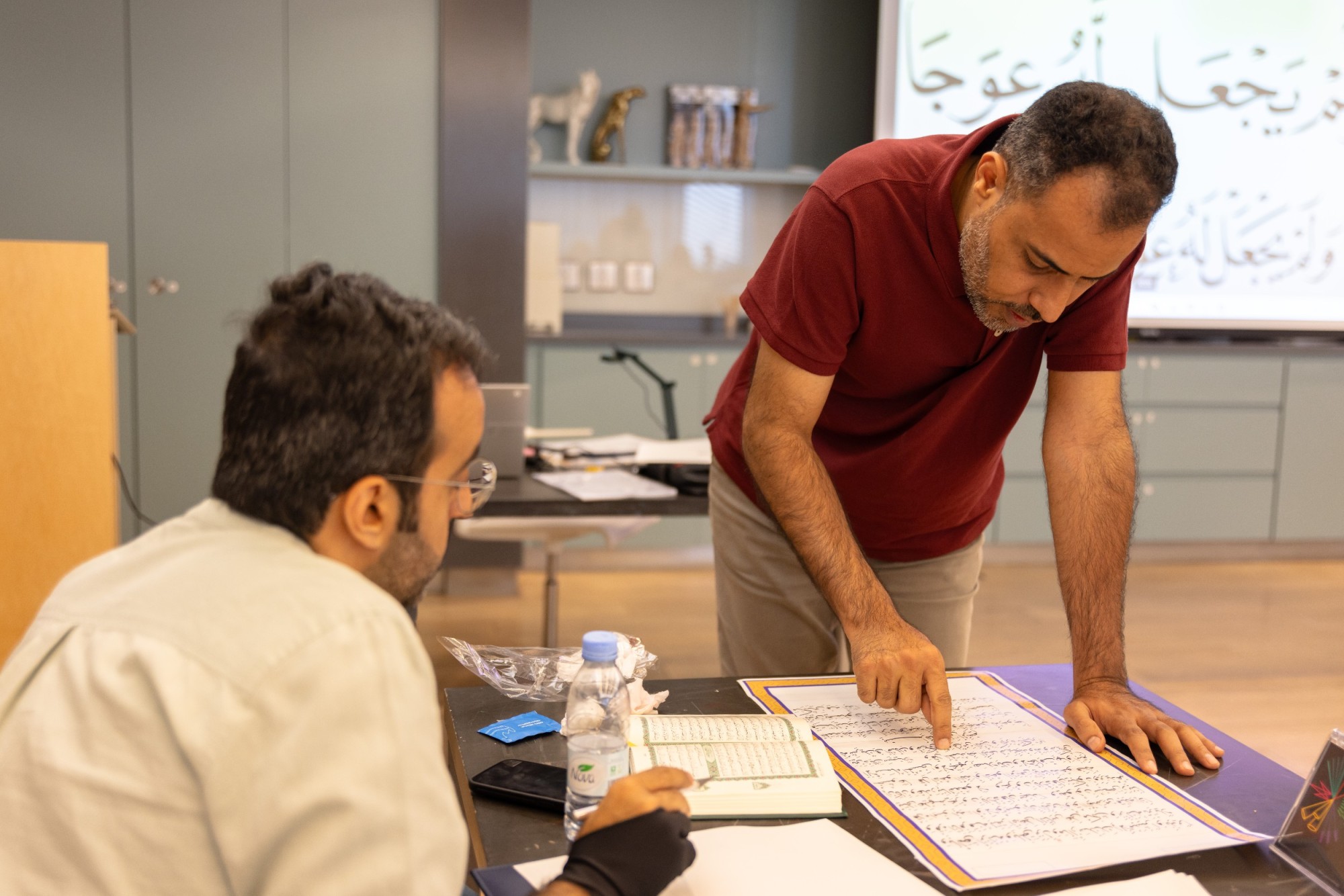
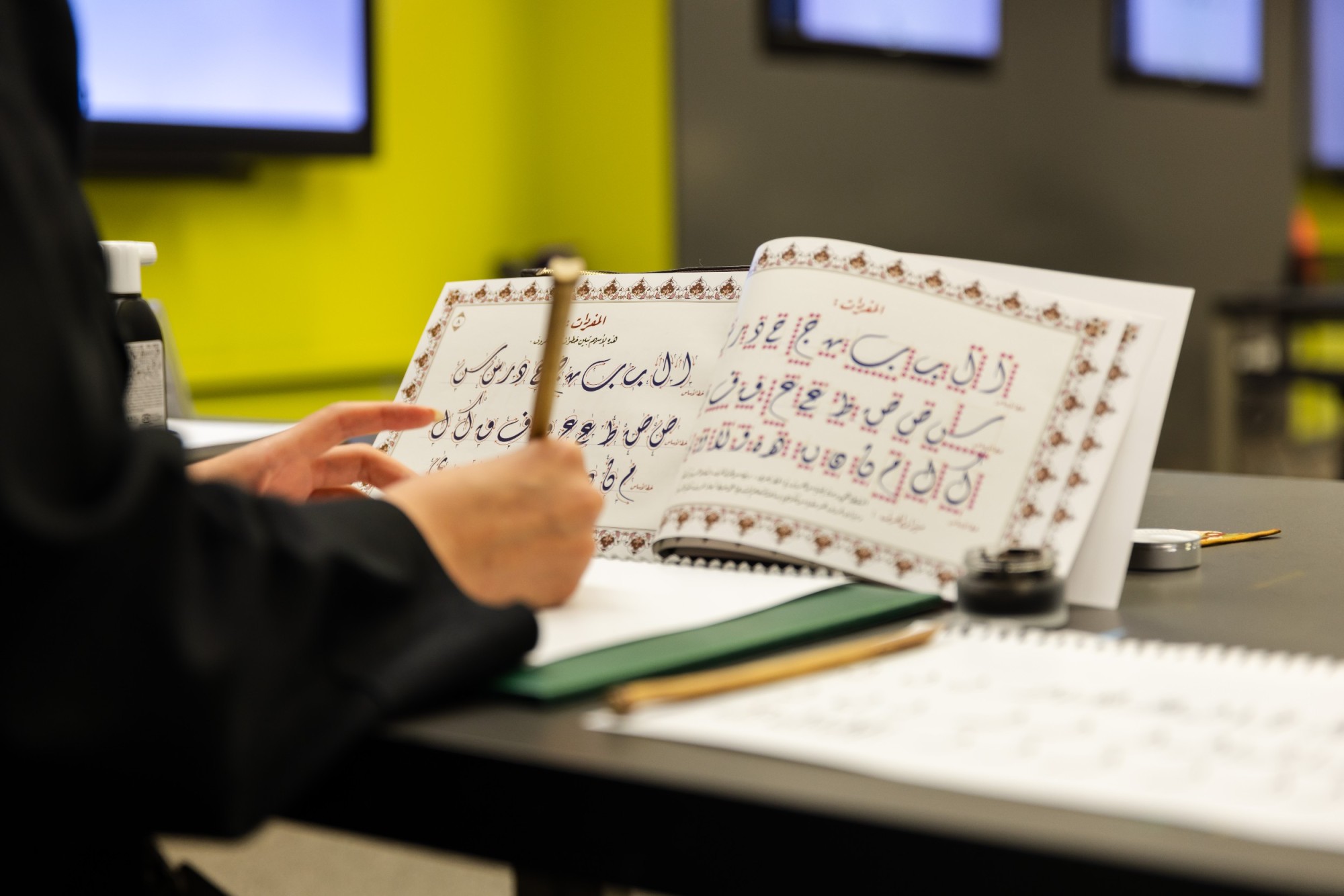
- Traditional experiments: Exploring the font classic practices and understanding its structural, intellectual and artistic values.
- Arabic calligraphy and its intersections with other arts forms: Analyzing the visual relations and the conceptuality between Arabic calligraphy, architecture, graphic design, fashion, modern media and integrative arts.
- Contemporary practices: Exploring contemporary art projects and how they utilize Arabic calligraphy within multidisciplinary projects.
Program objectives:
- To deeply understand Arabic calligraphy and the connection between its visual and intellectual improvement and its cultural and artistic domains.
- To reinterpret traditional practices as active catalysts for experimentation.
- To focus on how Arabic calligraphy intersects with temporary art practices.
- To empower calligraphers by expanding their temporary practices through utilizing Arabic calligraphy in multiple artistic and professional specialties.
- To transfer from individual practices to an artistic team project which contains idea, narrative, and implementation.
- To empower critical thinking while connecting beauty with function and cultural context.
Program outcomes:
- Creating an outstanding art project consisting of Arabic calligraphy in different artistic mediums.
- Preparing a comprehensive conceptual and visual that is both scalable and implementable.
- Expanding the horizons of Arabic calligraphy by leveraging its versatility across multidisciplinary artistic and professional fields.
Facilitator
Zaki Alhashmi
Zaki Alhashmi is a calligrapher, UNESCO specialist and an art consultant to the King Abdulaziz Foundation for Research and Archives (Darah) in Riyadh. He holds an Ijazah certificate in Arabic calligraphy, a field in which he has won numerous international awards. Zaki is the author of 25 manuals about the Naskh script, a workbook series comprising 22 booklets teaching Arabic writing for non-Arabs, and the Meaning Landscapes about the role of Arabic fonts in the preservation of Arabic poetry.