Download our App


Directions to Ithra
We are Closed Today
Community Voices for Rethinking Approaches and Shifting Systems
As part of UNESCO MONDIACULT Conference organized in Barcelona, Spain from September 29 to October 1, Ithra and the International Council on Monuments and Siters (ICOMOS)—an international non-governmental organization that works to conserve monuments and sites around the world—will co-host a panel discussion titled Living Heritage, Living the Heritage. The session will explore how living heritage, from crafts and oral traditions to indigenous knowledge systems, contributes to cultural continuity, community resilience and social cohesion, while shaping equitable and sustainable futures.
Ithra will bring an institutional perspective on enabling environments for craft sustainability, focusing on public awareness, youth engagement and market access, and highlighting how policy, partnerships and innovation can reposition crafts as living knowledge systems that drive opportunity and resilience. As a case study, Ithra will share insights from the Palm Weaving (Khoos) initiative, which reimagines the traditional practice of palm weaving to demonstrate how living crafts can be sustained through intergenerational exchange, community participation and new avenues for creative and economic relevance.
ICOMOS will contribute insights on the interconnections between living heritage and built environments, showing how cultural practices and traditions both shape and are shaped by the spaces in which communities live. From historic cities to rapidly transforming landscapes, ICOMOS will highlight how the continuity of living heritage strengthens adaptation in times of crisis, supports inclusive and sustainable urban development, and ensures the intergenerational transmission of knowledge. It will also emphasize the importance of safeguarding intangible traditions alongside tangible heritage, and the frameworks needed to integrate both into local, national and global development agendas.
The panel will gather perspectives from leaders representing institutional, policy and community approaches. Discussions will address the centrality of living heritage to resilience, the frameworks and partnerships needed to sustain transmission and innovation and the role of culture as a stand-alone goal in the post-2030 development agenda.
Speakers
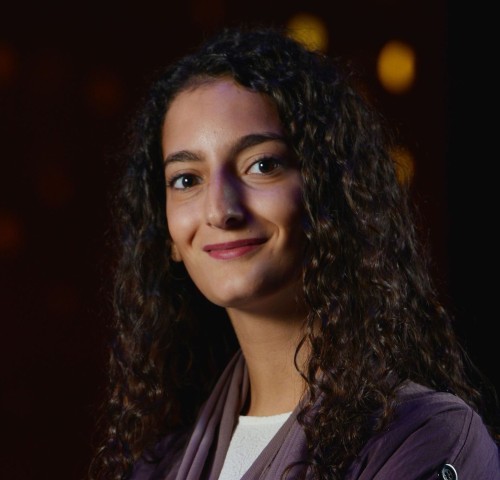
Farah Abushullaih
Head of Museums, Ithra
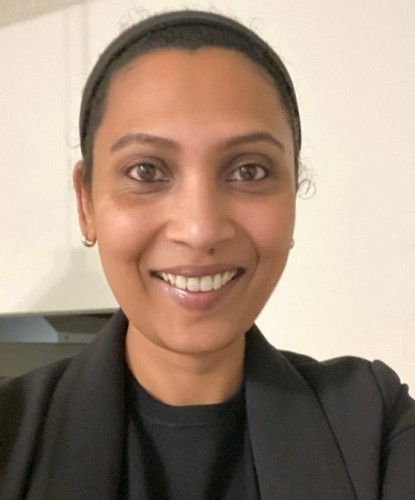
Preeti Gaonkar
Impact Lead, Ithra

Angela lsabater
ICOMOS Spain
Kirstine Moller
ICOMOS Indigenous Knowledge Working Group