Download our App


Directions to Ithra
We are Closed Today
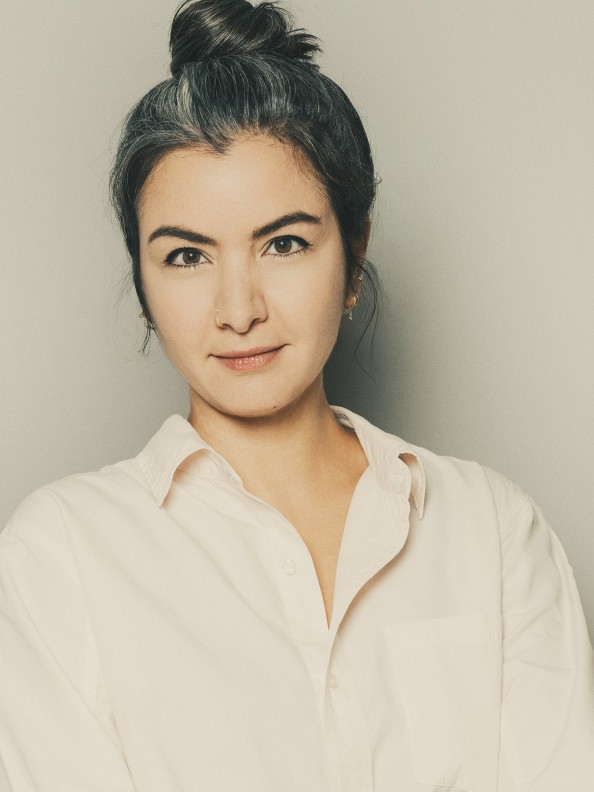
Aseel AlYaqoub
Aseel AlYaqoub (b. 1986, Kuwait) is a research-based, interdisciplinary artist from Kuwait whose practice spans sculpture, installation, drawing, video, and text. Her work examines the interplay of geography, architecture, and collective memory, focusing on how material culture, national identity, and institutional narratives are constructed and contested.
She holds an MFA from Pratt Institute (New York) and a BA from Chelsea College of Art (London). Notable projects include co-curating the Kuwait Pavilion at the 17th International Architecture Exhibition, La Biennale di Venezia (Space Wars, 2021), and co-receiving the inaugural Art Jameel Commission (Contrary Life, 2018). Her work has been exhibited at Archival Assembly (Berlin), Bildmuseet (Sweden), the 3rd Karachi Biennale (Pakistan), McIntosh Gallery (Canada), The Sultan Gallery (Kuwait), and Jameel Arts Centre (Dubai). Her work is held in collections including the Barjeel Art Foundation and the Art Jameel Collection.
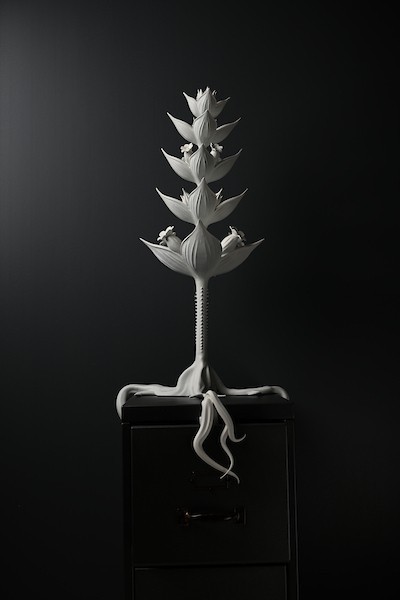
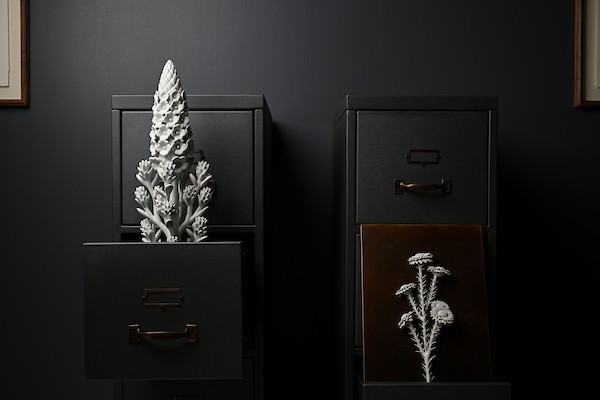
Project Name: Flora Incognita, 2026
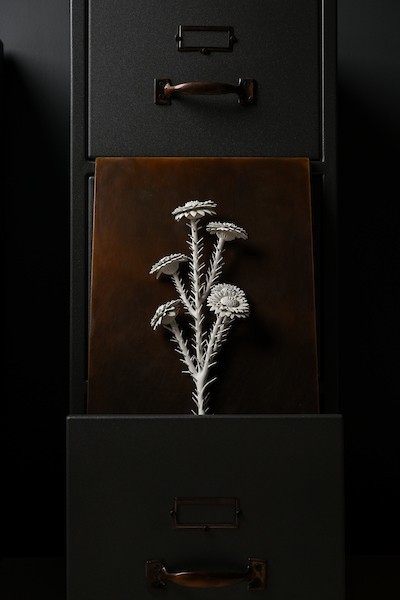
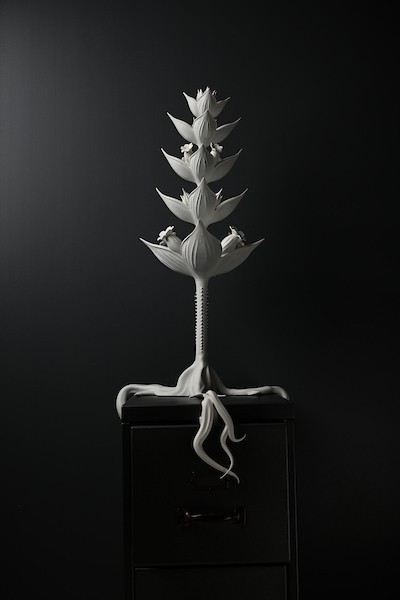
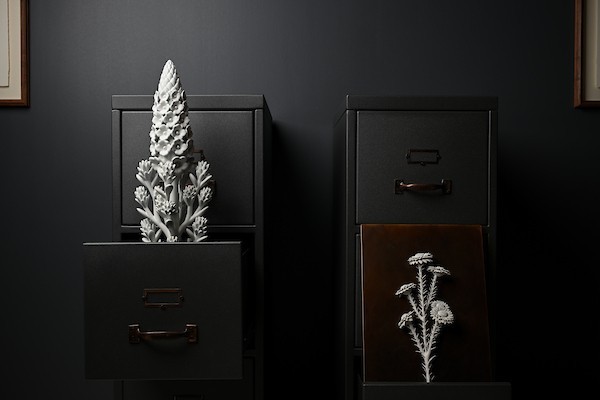
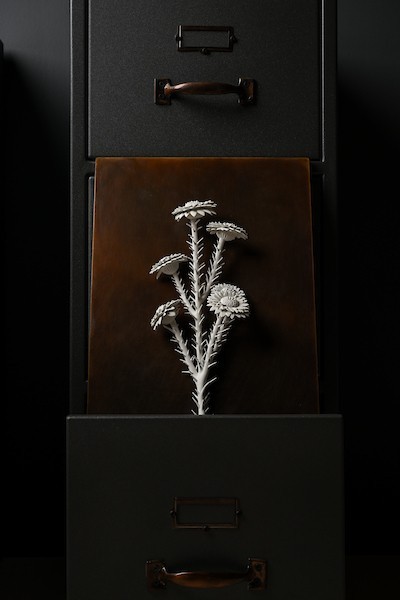
Medium: 3D printed plant sculptures, steel cabinets, and graphite drawings.
Project Brief:
Flora Incognita revisits the history of botanical classification in the Gulf and the systems that sought to stabilize it. When unfamiliar plants were first encountered, they were often understood through resemblance. A form was compared to something already known. A Latin structure was applied. A geographic qualifier was appended. In this gesture of recognition, what was altered, and what was secured?
The installation brings together hybrid plant forms emerging from archival steel cabinets and their corresponding botanical illustrations. The work lingers in the space between the specimen and its record. When does observation become authority? At what point does naming harden into knowledge?
The plants presented here do not resolve into fixed categories. They exist in a state of suspension, neither fully native nor entirely foreign, neither wholly authentic nor entirely invented. By inhabiting this ambiguity, Flora Incognita invites viewers to consider how classification shapes perception and how systems of documentation quietly determine what is seen, remembered, and accepted as real.